Ghost of Yōtei off to a faster start than Tsushima
There are games that launch, and there are games that quietly shape a platform’s identity. Ghost of Tsushima was undeniably the latter, blending cinematic presentation with fluid combat…
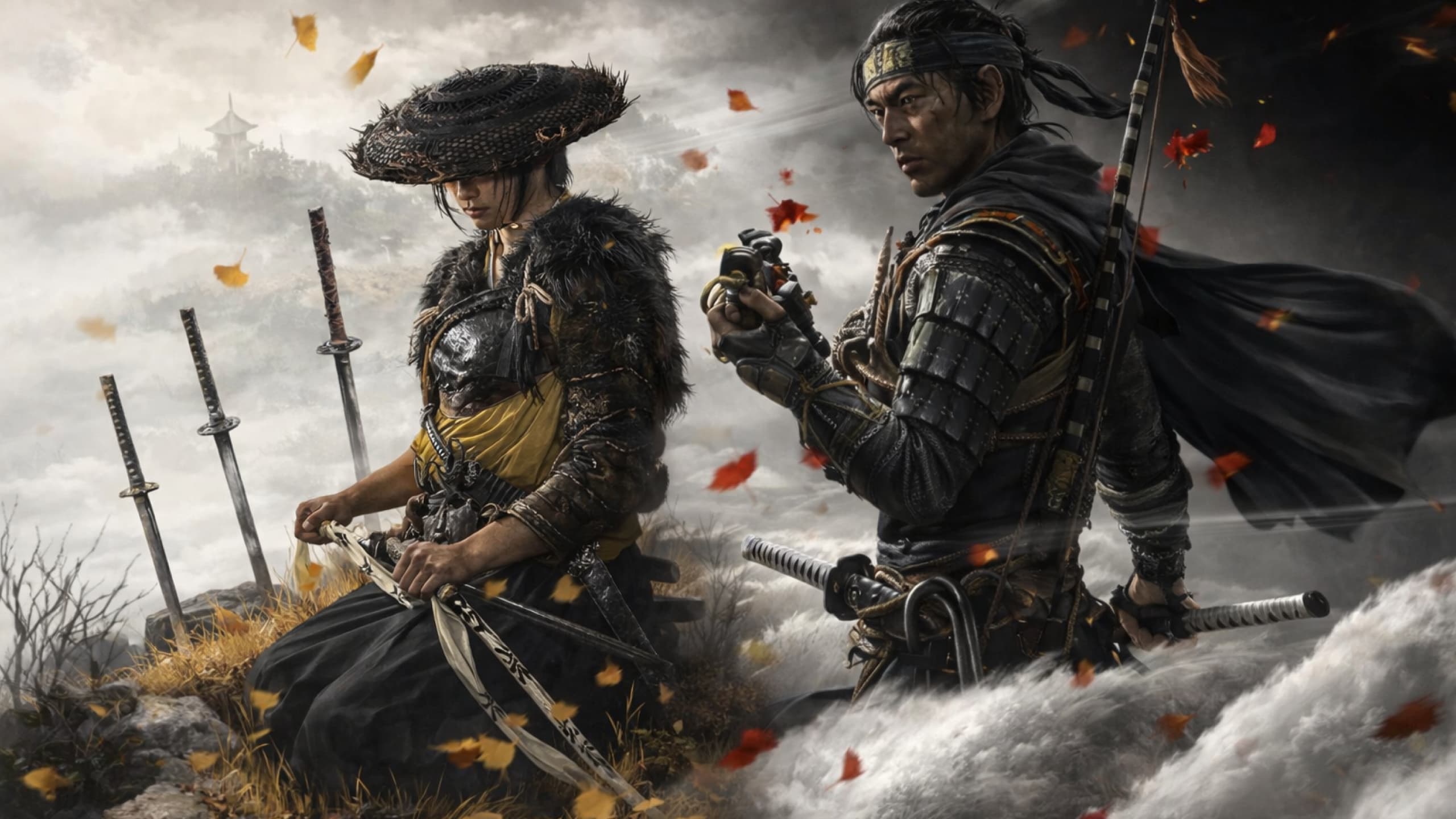
There are games that launch, and there are games that quietly shape a platform’s identity. Ghost of Tsushima was undeniably the latter, blending cinematic presentation with fluid combat and becoming one of Sony’s most memorable first-party releases of the past generation. Stepping into that shadow is no easy task, yet Ghost of Yōtei appears to be doing exactly that.
Players seem to have arrived with high expectations, and more importantly, immediate interest. In a recent statement, Sony Interactive Entertainment confirmed that Ghost of Yōtei has outpaced Ghost of Tsushima’s sales within the same post-launch timeframe. Although the company stopped short of revealing concrete figures, matching; a title as influential as Tsushima this early signals a notably strong market debut.
Much of this momentum likely stems from the foundation the original game built. Over the years, Tsushima evolved from a successful launch title into a long-tail hit, fueled by positive player sentiment and steady discovery from new audiences. That kind of brand equity often turns sequels into events rather than simple releases.
For Sony, this is more than just a promising sales comparison. Strong first-party launches remain critical to platform strength, helping drive hardware engagement while reinforcing the company’s reputation for polished, narrative-driven experiences. If Ghost of Yōtei maintains its trajectory, it could further solidify the franchise as one of PlayStation’s defining pillars.
Still, early victories rarely guarantee long-term dominance. The real measure of success will emerge over time; through player retention, community reception, and how well the game sustains attention beyond its launch window.
Will Ghost of Yōtei turn its fast start into a lasting success and eventually surpass Tsushima’s lifetime performance, or will the race grow closer as the months pass? Stay tuned to VGNW for further updates and follow us on X for ongoing coverage and breakdowns.
Did Sony reveal the actual sales figures?
No. The company confirmed the comparison but did not provide specific data.
0 Comments
No comments yet.