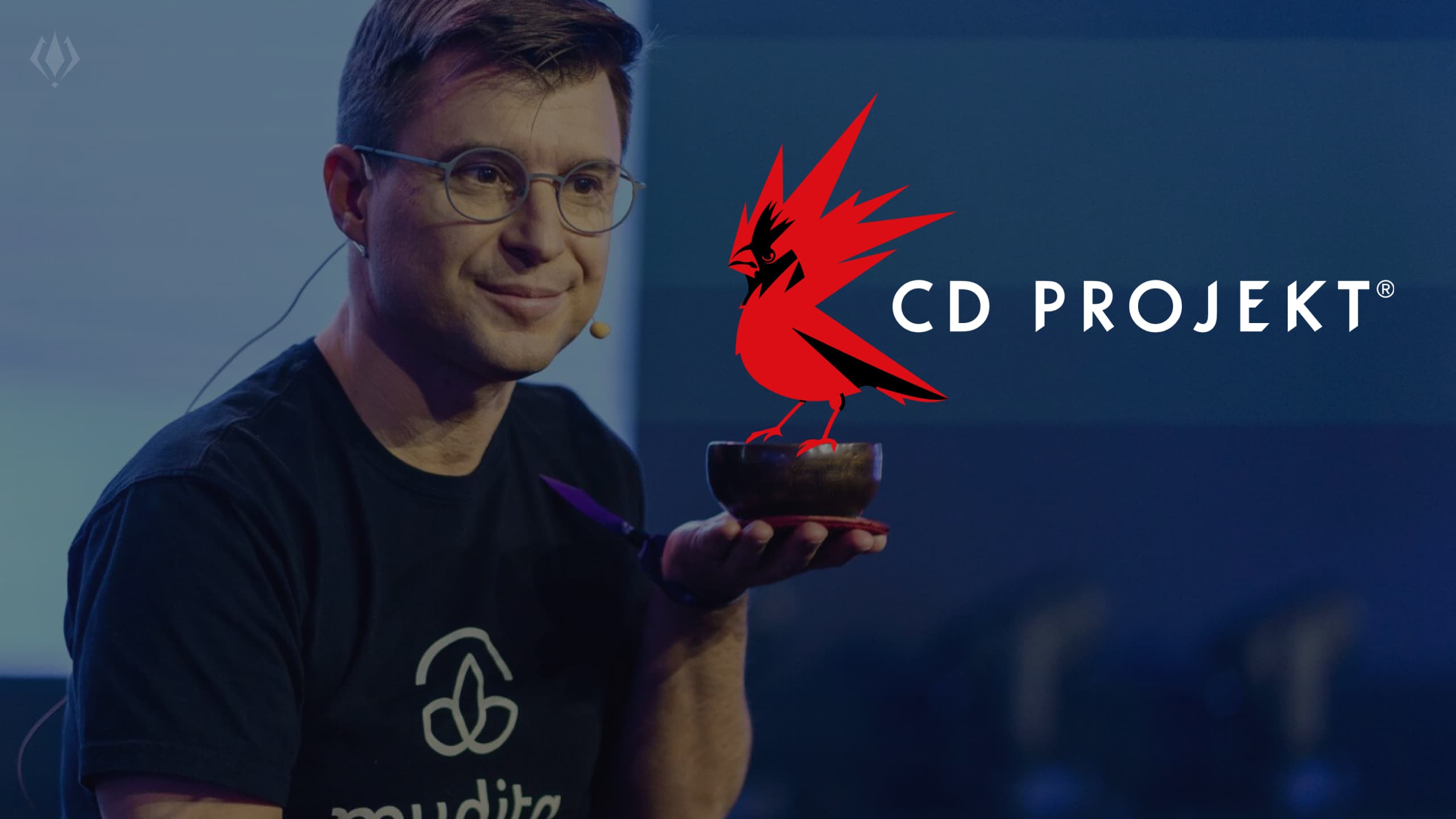
CD PROJEKT is shaking things up in a big way, and it involves one of its most recognizable creations. Company co-founder and major shareholder Michal Kicinski has officially bought 100% of GOG, taking full control of the DRM-free PC storefront that has been part of the CD PROJEKT Group for years.
GOG has always had a bit of a different soul compared to other digital stores. Launched back in 2008 as “Good Old Games,” it built its identity around preserving classics and offering DRM-free releases at a time when most of the industry was locking things down. Now that the platform is entirely in Kiciński’s hands, it isn’t being passed off to some faceless corporation, it’s going back to someone who helped shape the company from the very beginning.
The announcement confirms that GOG will continue as an independent business moving forward, but it isn’t cutting ties completely. A new distribution deal ensures that CD PROJEKT RED’s future titles will still appear on GOG, meaning players won’t suddenly see familiar support vanish overnight. Instead, this looks much more like a strategic reset than a breakup.
For fans, the move suggests two clear outcomes: CD PROJEKT gets more room to focus on development, and GOG gets the chance to evolve under leadership that genuinely understands its community and long-standing philosophy. In a digital game market that keeps trending toward stricter ecosystems and heavier control, seeing GOG’s DRM-free mission stay alive is something many PC players will be paying close attention to.
Stay tuned to VGNW for updates, news, and everything happening in the gaming world and don’t forget to follow us on X to keep up with the latest developments.
Who now owns GOG?
GOG is now fully owned by CD Projekt co-founder Michał Kiciński, who has acquired 100% of the platform.
What is GOG?
GOG is a digital PC game storefront known for its DRM-free approach, meaning the games you buy can be downloaded and owned without constant online checks or platform restrictions. Originally launched as “Good Old Games,” it started by preserving classic titles and later expanded to include modern releases while maintaining a player-friendly philosophy.