At its core, Deadlock is Valve’s attempt to blend hero-based shooters with MOBA-style macro play. Fast movement, vertical maps, powerful abilities, and objective-driven matches define its identity. From the start, Deadlock positioned itself as a game built around experimentation; one where systems, roles, and pacing were never meant to stay static for long.
With the release of the Old Gods update, that philosophy becomes more visible than ever. This massive/major patch doesn’t just add new content; it actively reshapes how matches are evaluated, how objectives influence the map, how players read information on screen, and how builds evolve over time. In short, Deadlock is no longer just expanding, it’s redefining its own rules.
Below, we break down every major change introduced in the update, section by section, explaining what’s new and why it matters.
Street Brawl: Deadlock’s fastest and most chaotic game mode yet
With the Old Gods update, Deadlock introduces Street Brawl, a brand-new game mode designed for short, explosive matches and constant action. This mode strips away long-term scaling and macro farming, replacing it with equal starts, randomized builds, and rapid-fire rounds. The result is a Deadlock experience that prioritizes moment-to-moment decision-making over long-term snowballing.
Street Brawl is clearly built for players who want the core combat of Deadlock without committing to a full-length match.
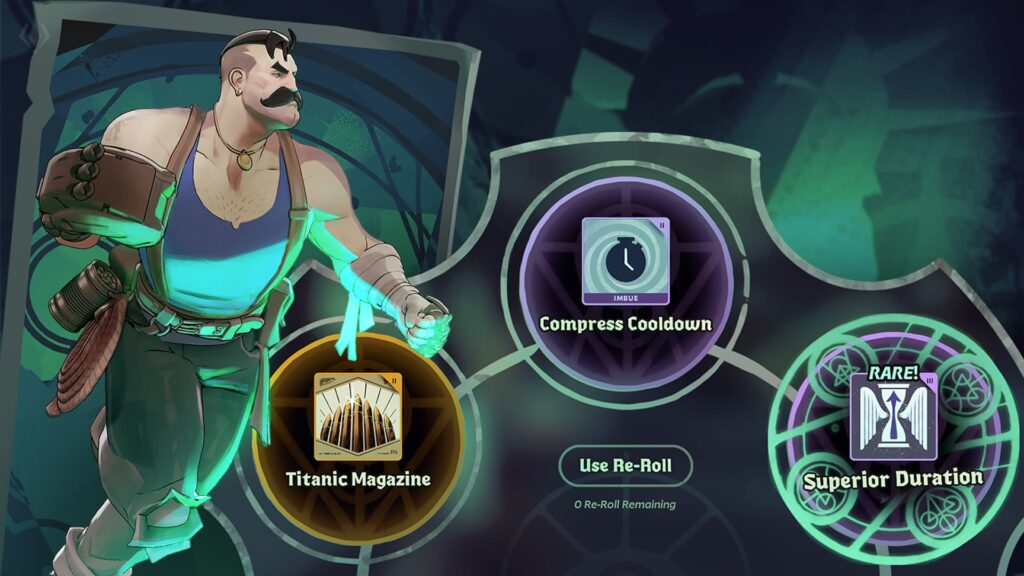
Key features of Street Brawl:
- 4v4 match format
Smaller teams and tighter engagements - Best-of-five (BO5) structure
Each round lasts only a few minutes - No soul farming
Progression is round-based, not economy-based - Equal starting resources
Every round begins on a completely level playing field - Streamlined shopping
Players choose from a random selection of items
Three items are added to your inventory each round - Item re-roll system
Limited re-rolls allow controlled randomness - High-rarity drops
Enhanced and Legendary items can occasionally appear, dramatically shifting a round
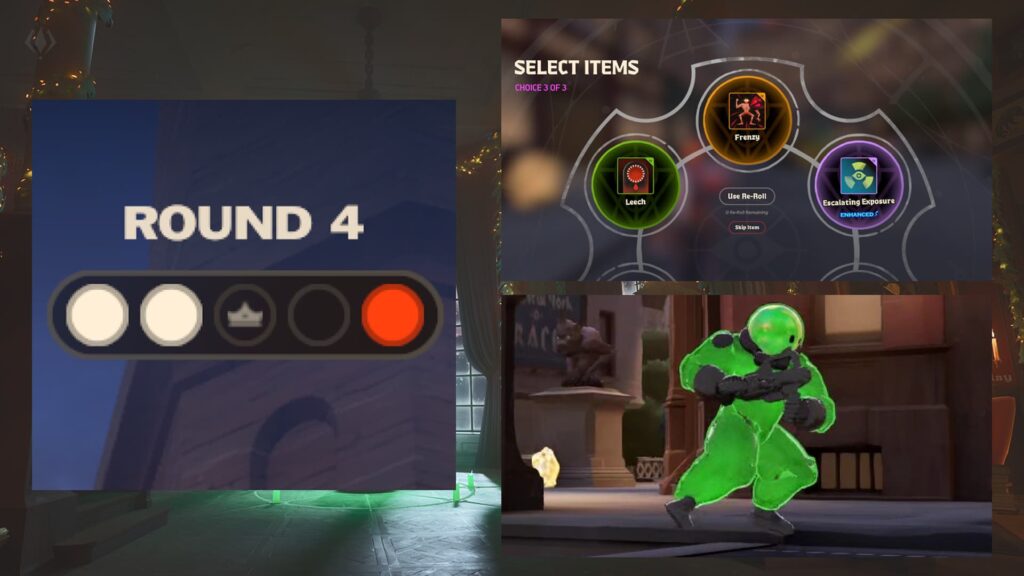
By removing traditional snowball mechanics, Street Brawl ensures that no match is ever truly decided early. Every round is a fresh fight, making adaptability and quick thinking more important than long-term planning.
Six new Heroes: The Hero Pool expands
One of the most impactful additions in the update is the arrival of six new heroes, dramatically expanding Deadlock’s roster and strategic depth. These characters are designed to cover a wide range of playstyles, from high-mobility duelists to disruptive controllers and tactical specialists.
Rather than releasing them all at once, Valve introduces a player-driven release system, ensuring the community directly shapes the order in which these heroes enter the game.
The six new heroes:
Silver
- A transformation-based hero built around risk and reward
- Excels in aggressive, momentum-driven fights

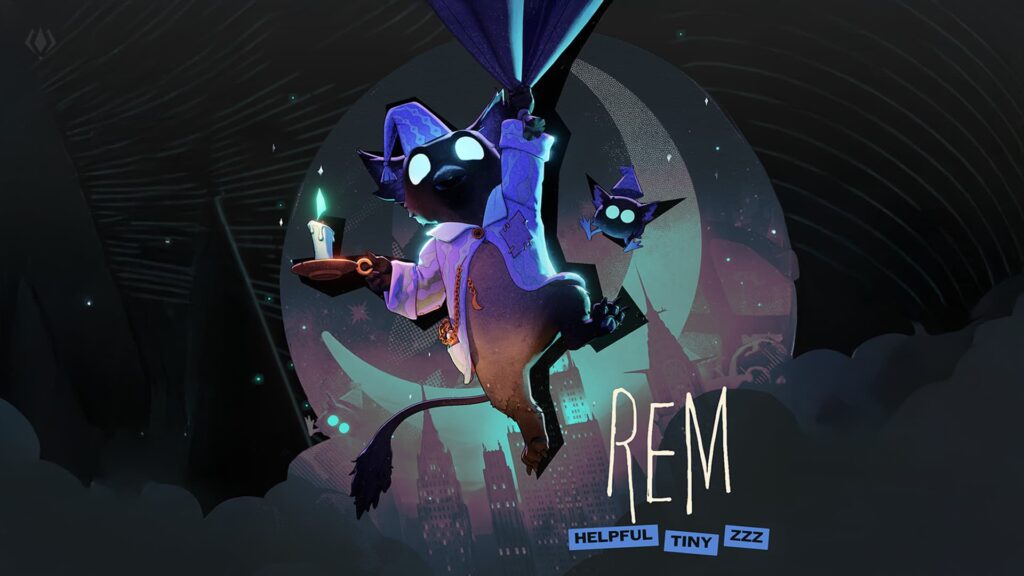
Rem
- A small, support-oriented hero
- Focuses on utility, disruption, and team survival
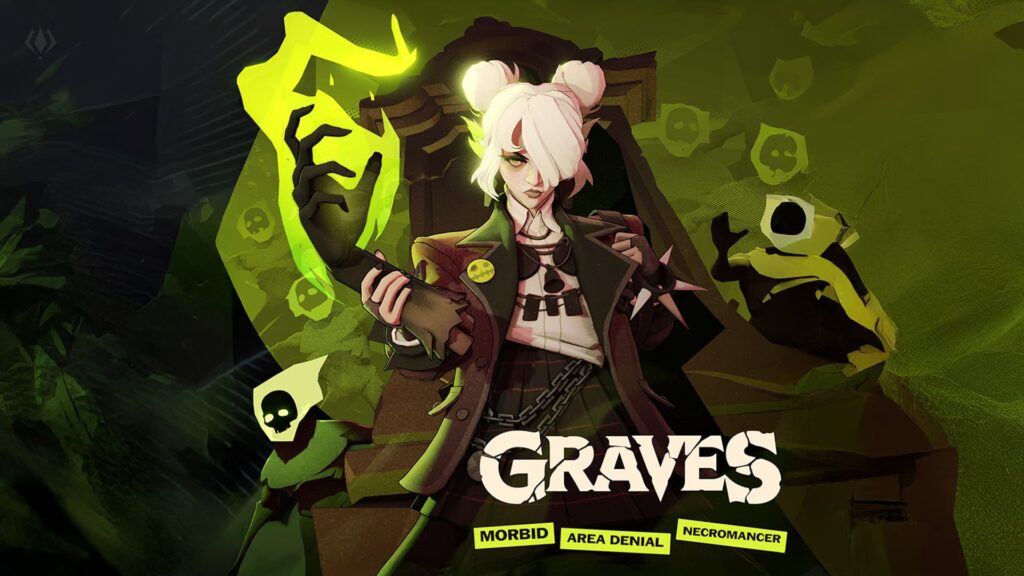
Graves
- Area denial specialist with necromancer-like abilities
- Strong at controlling space and punishing positioning errors
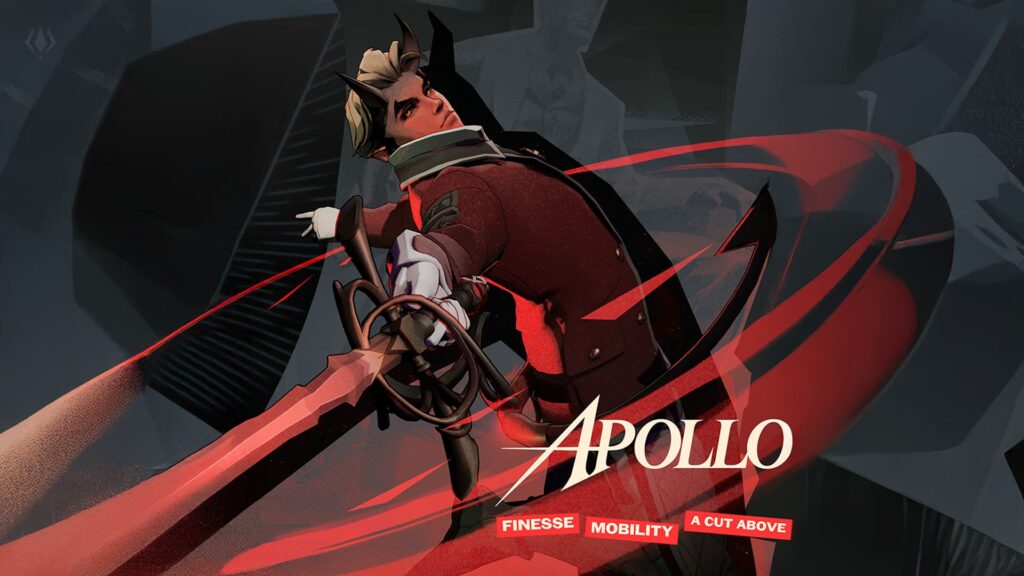
Apollo
- High-mobility duelist
- Rewards precision, timing, and aggressive positioning
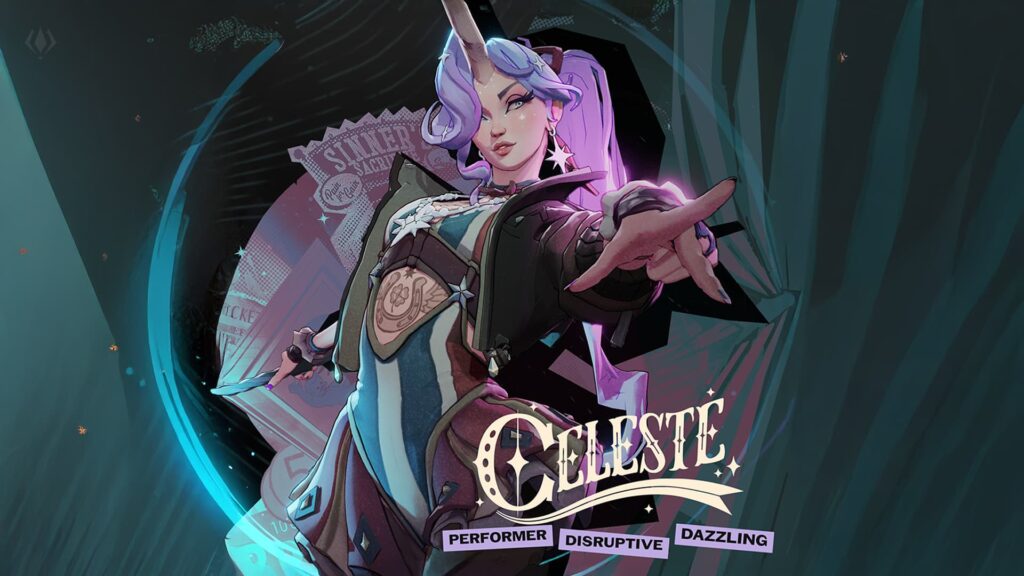
Celeste
- A disruptive performer-style hero
- Blends crowd control with visual and positional pressure
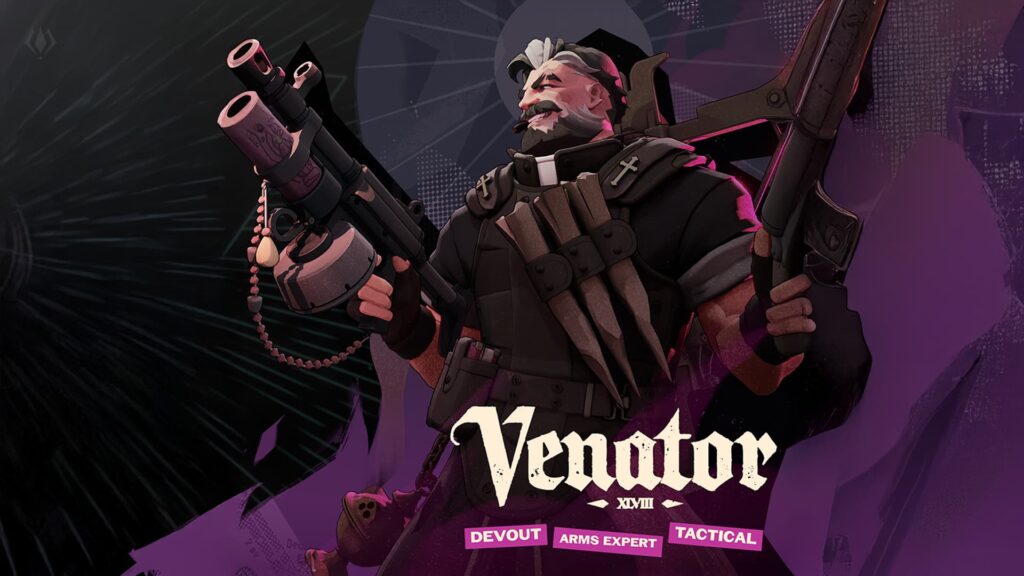
Venator
- Tactical weapons expert
- Excels at controlled engagements and disciplined team play
Release system details:
- Two heroes released per week
- Releases begin on January 26
- Players earn votes by playing matches
- Community votes determine the release order
This system not only keeps the meta evolving week by week, but also gives players a direct role in shaping Deadlock’s future.
Revamped Postgame System: Match results mean something
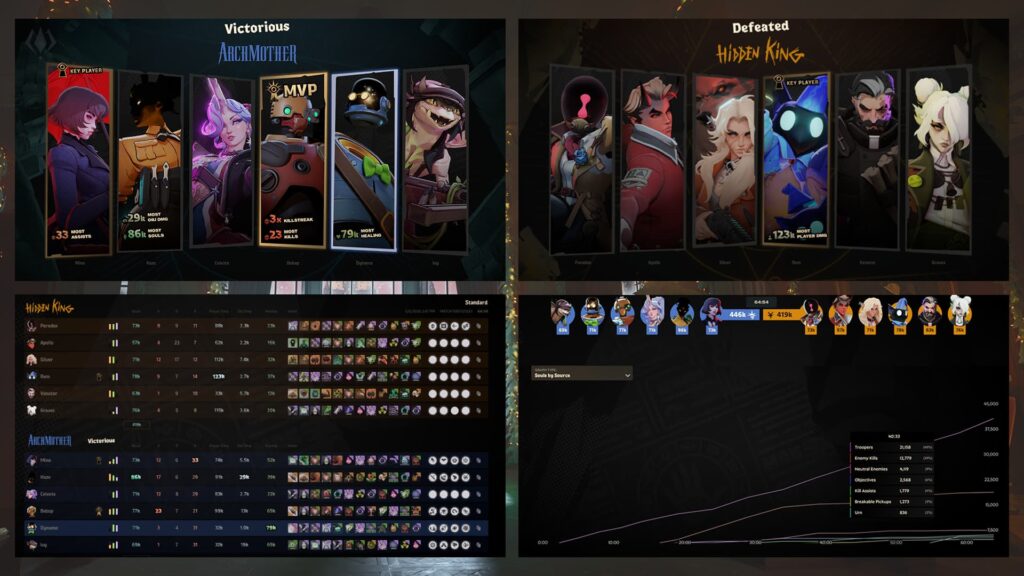
Deadlock’s previous postgame screen offered little insight into how a match actually played out. With this update, the postgame experience has been completely redesigned to function as a true performance breakdown, not just a win-or-loss summary. Valve’s goal here is clear: show players how they contributed, not just whether they won.
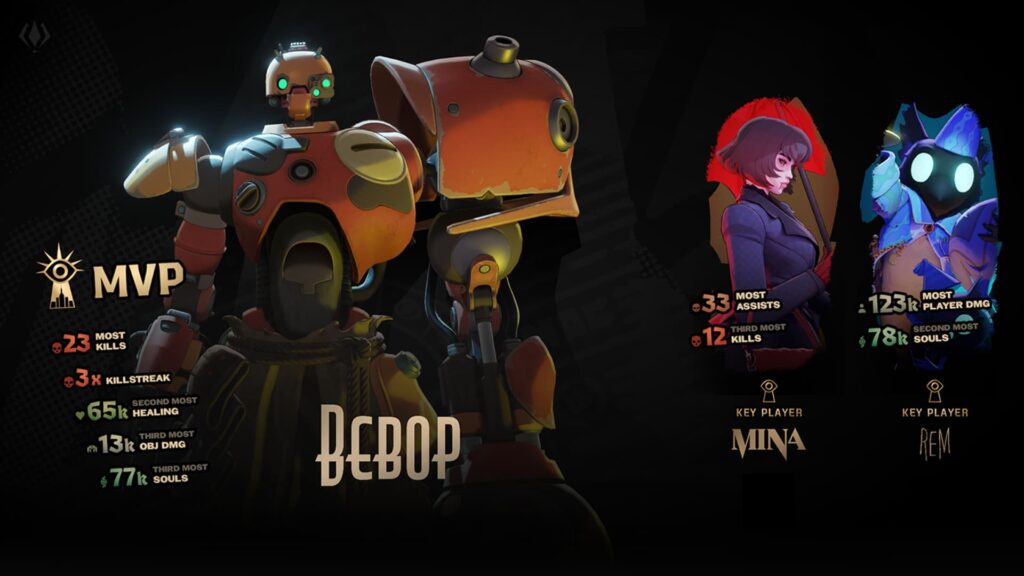
Key changes to the postgame system include:
- New MVP scoring system
Kills are no longer the sole focus
Assists, damage contribution, support actions, and objective impact are all factored in - Key Player highlights
Players who significantly influenced the outcome of the match are clearly showcased - Improved team comparisons
Individual and team performance differences are easier to read at a glance - More detailed stat presentation
Players can now clearly understand their strengths and weaknesses after each match
This change is especially important for support and utility-focused players, whose impact is now properly recognized.
Behold the Patrons: New bosses, new threats
With this update, Valve places far greater emphasis on Deadlock’s PvE and objective-driven elements. The newly introduced Patrons are not just powerful enemies, they are strategic anchors that can reshape the flow of an entire match.
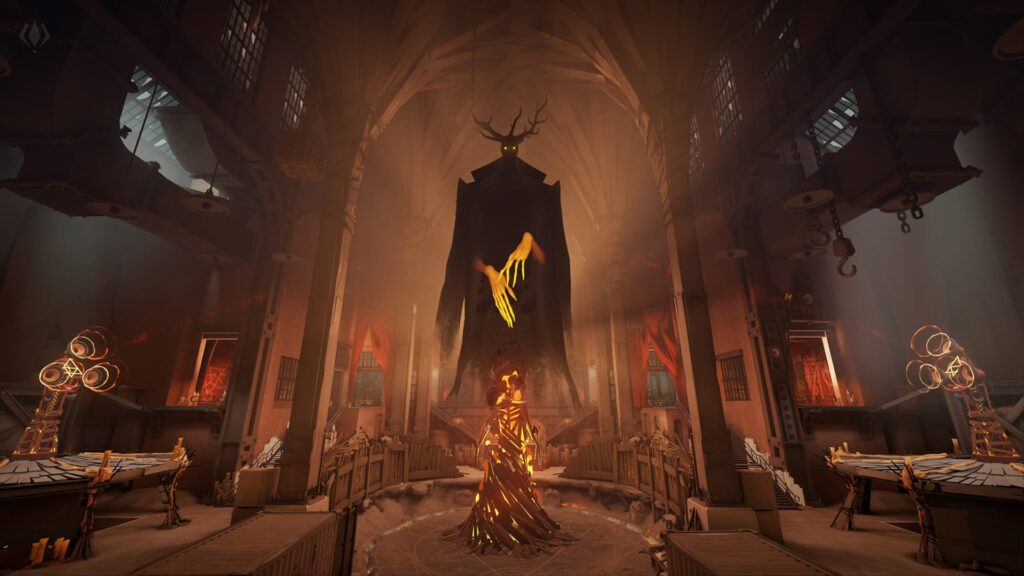
Hidden King
The Hidden King represents Deadlock’s darker, more chaotic side. Lurking within the city’s forgotten spaces, this Patron is designed to punish poor coordination.
- High-pressure encounters
- Strong area denial and control mechanics
- Forces teams to commit and coordinate or suffer heavy losses
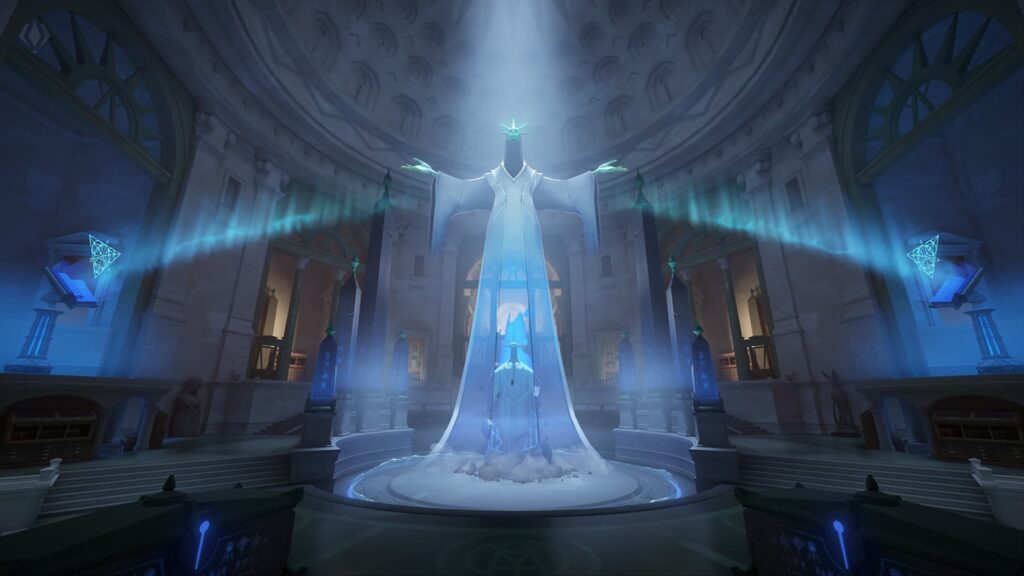
Archmother
In contrast, the Archmother embodies order, structure, and control. This Patron is more central, more ritualistic, and demands precision.
- Longer, phase-based encounters
- Mechanics that reward timing and discipline
- Encourages clear role distribution within the team
Together, these Patrons push Deadlock beyond pure PvP and into a more layered, strategic experience.
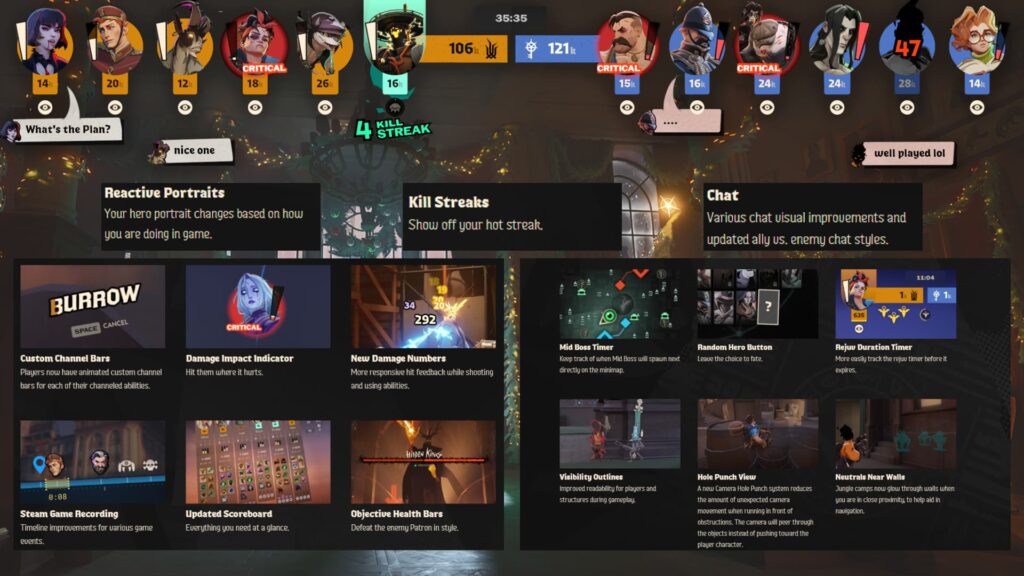
UI Improvements: A Cleaner, more readable
While less flashy on the surface, the UI overhaul may be one of the most impactful parts of the update. Valve’s focus here is reducing visual noise and improving clarity without overwhelming the player.
Notable UI and HUD improvements:
Reactive Portraits
- Hero portraits visually change based on in-game performance
Kill Streak indicators
- Makes it instantly clear which players are on a hot streak
Improved Chat and Chat Wheel
- More segments and smoother in-game communication
Updated damage numbers and feedback
- Incoming and outgoing damage is easier to read and understand
Redesigned scoreboard
- All critical information is visible at a glance
Additional quality-of-life updates include mini-boss timers, Rejuvenation duration indicators, and a random hero button, further streamlining match awareness.
New Items: Greater build flexibility
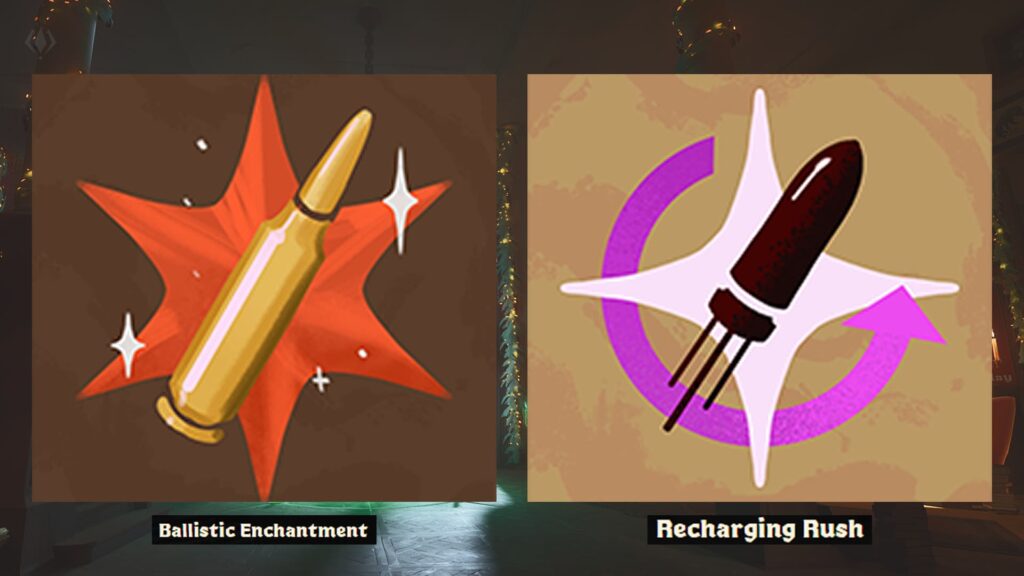
Two new items have been added with this update, both designed to expand Deadlock’s build diversity and reward aggressive, hybrid playstyles.
Ballistic Enchantment
- Increases the range of a selected ability
- Dealing damage with that ability grants bonus weapon damage
- Ideal for ability–weapon hybrid builds
Recharging Rush
- Dealing significant weapon damage restores charges to abilities
- Encourages fast-paced, aggressive play
- Particularly effective for heroes built around cooldown pressure
Beyond the headline features, Valve has also delivered a wide range of technical and systemic improvements that quietly strengthen Deadlock’s foundation. AI behavior has been refined, replay compatibility has been improved across updates, and network prediction adjustments aim to make matches feel more responsive and consistent. New music tracks and additional voice lines -especially for the Patrons- help reinforce the game’s atmosphere, while anti-cheat enhancements and performance optimizations address long-term stability.
Smaller but meaningful quality-of-life changes, such as updated zipline movement, clearer ultimate ability voice lines, and new tunnel routes for smaller heroes, further smooth out the overall experience. Individually these tweaks may seem minor, but together they signal a clear focus on polish and sustainability.
With this major update, Deadlock takes a decisive step forward. The game now feels less like an experimental prototype and more like a living platform. Which part of this update do you think has the biggest impact? Share your thoughts on the comments!